
A Deep Dive into Reputable Online Casinos

I have spent years traversing the digital gambling landscape, and I can assure you that the gap between a sleepless night of concern and pure entertainment reduces to one word: trust. When I investigate a platform like Chanze Casino, I am not just observing the flashy banners pledging massive jackpots. I am scrutinizing the infrastructure that safeguards your money and your data. The online casino world in France is saturated with options, but only a handful operate with the kind of transparent integrity that allows you center on the game rather than the payout. A trusted online casino is a complex ecosystem of regulatory compliance, financial auditing, and software fairness. I want to walk you through exactly how these mechanisms function, what red flags you should steer clear of, and why a properly vetted platform changes a simple spin of the roulette wheel into a secure, adrenaline-fueled experience. This is not about blind faith; it is about provable security.
Mobile Optimization : Security While Moving
I hardly ever sit at a desktop computer to play now. The majority of my sessions take place on a smartphone, which means the mobile experience is no luxury; it is the principal product. A trusted online casino must provide a native-app-like experience through a mobile browser without weakening security. When I evaluate a platform on my iPhone or Android device, I am checking for responsive design that adapts the layout to a vertical screen. Buttons must be big enough to prevent “fat-finger” misclicks that could accidentally place a max bet. More importantly, I am searching for the same TLS encryption on the mobile site as on the desktop. Public Wi-Fi networks are notoriously insecure, and a trusted casino ensures that even if I am playing in a café, my data packets are encrypted and useless to sniffers.
The functioning of the game library on mobile is a technical benchmark. HTML5 technology has replaced the old Flash standards, allowing complex slot animations and live streams to run seamlessly without overheating my phone. I notice that trusted casinos adjust their live dealer streams to adjust the bitrate based on my connection speed, preventing lag during crucial betting decisions. The login process should also enable biometric authentication. If my phone has a fingerprint scanner or facial recognition, I want the casino to allow me to log in using those features. This adds a layer of physical security that a password alone cannot provide. A seamless mobile experience shows me that the operator invests in the future and respects my time, understanding that a crashed app at a critical game moment is a breach of trust.
Establishing a Lasting Connection Past the Initial Offer
The first deposit offer fades quickly, and the true color of an online casino emerges in its handling of loyal members. I am far more interested in a engaging VIP scheme than a single welcome offer. A trusted platform structures its VIP scheme or loyalty points system openly, telling me the exact points I collect per euro wagered. The redemption rate must be obvious: if 1,000 points is worth €10 in bonus cash, I can figure out the actual cashback rate. The best programs are leveled, offering increasing perks like quicker payouts, increased deposit caps, and a personal account executive. I sense appreciation when the casino invites me to private competitions or provides tailored deals based on the games I really use, not a broad promotional message for a slot I have never touched.
Regular promotions are the heartbeat of a long-term relationship. I look for “reload” bonuses that give me a match on deposits made on certain days of the week. Cashback is another mechanic I value greatly. A casino that delivers 10% to 15% cashback on my net losses over a weekend turns a bad run into a soft landing. Crucially, dependable platforms provide this cashback as real cash with minimal or zero wagering requirements. I also value a platform that gamifies the experience with objectives or challenges. Accomplishing a goal, like using a specific slot 50 times, to receive free spins adds a layer of meta-gameplay that keeps the experience fresh. This ongoing dialogue between the platform and the member, based on shared advantage rather than predatory extraction, is the trademark of a platform I will come back to for years.
The way Payment Methods Define a Casino’s Trustworthiness
The speed and transparency of money movement are the definitive litmus tests for an online casino. I have found that a trusted platform never delays withdrawals without a legally documented reason. When I examine the banking page of a site like Chanze Casino, I am looking for a diverse mix of traditional and modern payment rails. The inclusion of Visa and Mastercard is a basic requirement, but I get genuinely excited when I see support for e-wallets and direct bank transfers that cater specifically to the French banking ecosystem. The processing times speak volumes: a deposit should be instantaneous, allowing me to jump into the action without friction. Withdrawals, however, necessitate a security verification phase. A reliable casino processes e-wallet payouts within 24 hours, while card withdrawals might take three to five business days. This is not a delay tactic; it is the natural friction of the global banking system combined with mandatory anti-fraud checks.
I focus on the KYC (Know Your Customer) procedure. A trusted casino will ask for identity verification, usually a passport or driver’s license, and proof of address before processing a large withdrawal. While this can feel intrusive, I actually regard it as a hallmark of safety. It prevents money laundering and, more importantly for me, stops identity thieves from draining my account. The payment methods also reveal the casino’s target audience. A strong presence of localized options indicates a commitment to the French market, ensuring I do not lose money on currency conversion fees. I always check the deposit limits, too. A responsible operator provides tools for me to set daily, weekly, or monthly caps on my spending directly from the cashier page. This fusion of fast payments and rigid security is what separates a professional operation from a fly-by-night scam.
Ethical Play as a Foundation of Reliability
I am certain that a casino which actively tries to restrict my play is the one that really worries about my long-term well-being. Responsible gaming tools are not just a legal checkbox; they are the ethical heart of a reliable platform. When I check the account settings, I anticipate to find a robust suite of controls that enable me control my adrenaline. The most efficient tool is the deposit limit, which I can set on a day-to-day, weekly, or monthly schedule. A reputable operator enforces these limits right away and renders it challenging to increase them without a 24-hour cooling-off period. This delay stops impulsive decisions made after a big win or a frustrating loss. I also search for a “Reality Check” feature, a pop-up timer that notifies me how long I have been playing. It is easy to lose track of time in the zone, and a soft nudge from the software is a indication of a thoughtful partnership.
Self-exclusion is the ultimate option, and it must be absolute. A reliable casino links with national self-exclusion databases. If I opt to ban myself, that ban must apply across the entire platform immediately, and the operator must not dispatch me marketing materials attempting to lure me back. I also recognize the existence of a “Loss Limit” feature, which is less common but remarkably potent. It permits me to limit the amount I am prepared to lose in a single session. Once I reach that limit, the software bars me out of real-money play until the next period. The presence of links to professional help organizations, like professional counseling services, on the footer of every page is a quiet but strong signal. It shows me the casino regards me as a human being, not just a revenue source.
Browsing the Game Library with a Strategic Eye
Stepping into a digital lobby with thousands of games can be daunting, chanzecasino, but I handle it with a strategic filter. A trusted casino organizes its library logically, not just to confuse me into playing low-RTP games. I commence by separating the library into three pillars: slots, table games, and the live casino. For slots, I use the provider filter to isolate the high-RTP titles I mentioned earlier. I search for “Volatility” ratings. A low-volatility slot pays out small wins frequently, which is ideal for preserving a bankroll and completing a bonus. High-volatility slots are the “lottery ticket” games; they can exhaust a balance fast but present the potential for life-changing multipliers. A transparent casino offers this volatility information, either directly or through the game’s paytable, enabling me to align the game to my current mood and budget.
In the table game section, I inspect the rule variations. The difference between European Roulette and American Roulette is a single zero, but that zero nearly doubles the house edge. A trusted casino prominently features the player-friendly European version. For blackjack, I review the payout odds. A 3:2 payout on a natural blackjack is the standard fair rate; if I notice a 6:5 payout table, I know the casino is squeezing extra profit at the expense of the player, and I bypass that table. The live casino should offer “Auto-Roulette” for fast play and VIP tables for high rollers. The variety of game shows, like “Crazy Time” or “Monopoly Live,” indicates an investment in cutting-edge entertainment. I employ the search bar aggressively. If I enter a specific game title and it appears instantly, the platform’s user interface is built for my convenience, not just for visual dazzle.
Customer Support: The Human Firewall
When funds is on the line, an AI assistant is not adequate. The level of customer support is where the theoretical idea of trust becomes a real personal exchange. I always evaluate the support channels before depositing a large sum. I pose a inquiry through the live chat at an strange hour, maybe 3 a.m., to see if the reply is immediate or if I am left talking to a bot that loops generic answers. A reputable online casino operates a 24/7 live chat staffed by qualified staff who understand the technicalities of bonuses and payment delays. I can distinguish instantly between a pre-written responder and a true fixer. The agent should be able to provide the precise update of my withdrawal, not just reproduce the terms and conditions I have already seen.
Beyond live chat, I look for a direct email address and a thorough Q&A area that addresses system glitches. A honest casino publishes its complaints procedure. If I raise an issue, I need to be assured that a senior manager will review my case within a specific timeframe, usually 48 hours. The linguistic assistance is vital for the French market. I require native-level French support, not just converted English scripts. Misunderstanding about a offer rule due to a language barrier can lose real money. I also pay attention to the manner of the support team. A dependable operator authorizes their staff to make judgment calls, like waiving a small fee or extending a bonus deadline, to resolve a dispute equitably. This personal safeguard is the final protection, stopping the uncommon mistakes that even the best automated systems overlook.
Decoding the Actual Value of Welcome Bonuses
I used to pursue the largest bonus numbers, believing a 500% match was the top prize. What I learned taught me that the real value of a welcome offer is hidden in the fine print, particularly in the wagering requirements. A reliable online casino doesn’t employ a bonus as a trap; it offers it as a real boost to extend playtime. When I assess a welcome package, I immediately seek out the “playthrough” or “wagering” multiplier. An standard in the industry fair rate falls between 25x and 35x the bonus amount. If I notice a requirement of 50x or higher, I know the calculated probability of turning that bonus cash into real, withdrawable money plummets a cliff. The best bonuses are set up as a match on my first deposit, commonly combined with free spins on top slot titles. I appreciate when the free spin winnings are credited as cash rather than bonus funds with extra strings attached.
The time limit is another critical factor that many players miss. A bonus that expires in 7 days with a 40x wagering requirement is fundamentally a high-pressure sales tactic intended to make me fail. I choose platforms that give a 30-day window, providing me the freedom to clear the bonus without frantic, high-stakes betting. I also review the game weighting percentages. On a balanced platform, slots count 100% toward the wagering requirement, but table games like blackjack or roulette may only contribute 5% or 10%. This is typical, but it has to be plainly stated. A reputable casino never keeps these percentages in a collapsed FAQ section; they are displayed openly on the promotion page. I see a well written terms and conditions page as a sign of consideration from the operator toward the player.
The Core: Software Studios and Fair Play
The entrance of an online casino reflects its soul. When I visit a homepage, I look immediately at the game icons to see the logos of the software studios. If I spot names like NetEnt, Microgaming, Play’n GO, or Evolution Gaming, I quickly relax. These are publicly traded companies that bet their entire reputation on the fairness of their algorithms. They would never risk to supply rigged games to a casino because their software is audited by third-party agencies like eCOGRA or iTech Labs. When I play a slot from one of these giants, I know the Return to Player (RTP) percentage is published and verifiable. A high RTP slot, hovering around 96% or 97%, signifies the house edge is mathematically slim, offering me a better long-term chance. Untrusted casinos often employ white-label software that can be manipulated server-side, but a platform relying on industry titans cannot modify the game’s code.
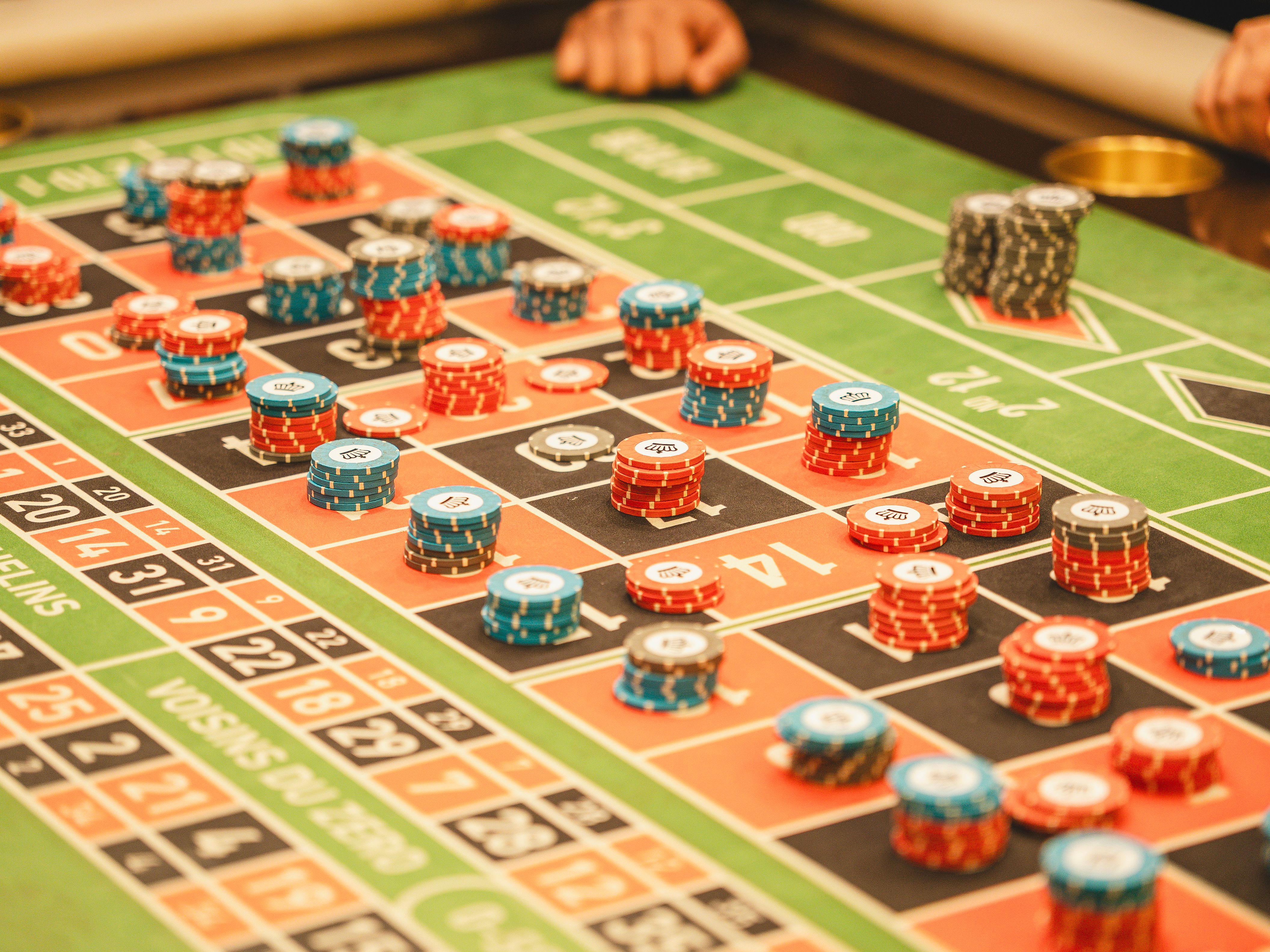
The live gaming section is where software integrity transforms into a visual reality. I am a huge fan of live dealer games because they bridge the gap between digital convenience and physical trust. When I see a dealer shuffle cards in real-time via an HD stream, the game logic is transparent. I can see the roulette ball spin; I do not have to trust a computer simulation. The best providers use multi-angle cameras and Optical Character Recognition (OCR) technology to transform the physical result into digital data instantly. This eliminates any doubt about “unlucky” software. A diverse game library also suggests a healthy business relationship with multiple providers, meaning the casino has passed the due diligence checks of several major corporations, not just one. It is a silent vote of confidence from the B2B side of the industry.
The Regulatory Foundation of a Safe Gambling Environment
When I evaluate the trustworthiness of an online casino, the first place I look is the footer of the homepage. That compact group of license logos is the single most important indicator of legitimacy. For a platform catering to the French market, I expect to see close conformity to European regulatory standards. These licenses are not just cosmetic labels; they constitute a binding legal obligation to protect players. A trusted casino commits itself to regular audits by independent bodies that test Random Number Generators (RNGs) to ensure the games are not rigged. If a platform does not pass these checks, it loses its license, which is practically a fatal blow for the business. This regulatory backbone signifies that when I place a bet, the outcome is determined by pure mathematical probability, not by a hidden algorithm designed to drain my balance. The oversight includes data protection, requiring military-grade encryption that turns my personal details and credit card numbers into unreadable code for potential hackers.
The practical impact of this regulation on my daily play is significant. It means I have a formal channel for dispute resolution if I believe a game malfunctioned. In unlicensed establishments, you have no option; your balance is at the mercy of an anonymous operator. But in a regulated environment, the casino must segregate player funds from operational capital. This secures that if the company faces financial difficulties, my deposited money remains untouched and withdrawable. I always verify that the platform employs TLS 1.3 encryption, which is the current gold standard for securing web transactions. When I see the padlock icon in my browser, I recognize the connection is secure, but the license tells me the company’s ethics are just as solid. It is the distinction between playing in a back-alley game and a monitored, professional establishment.
Pan para el mañana